

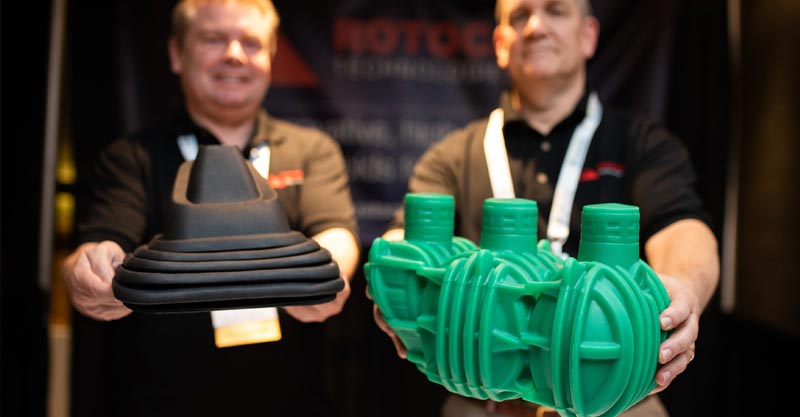
Rotational molding , or Rotomolding , is just a adaptable and efficient plastic production process applied to create empty, smooth plastic products. Frequently employed for producing objects such as tanks, playground gear, and storage units, rotomolding sticks out for its capacity to create resilient and complex forms with exceptional uniformity. This information offers a complete overview of Rotomolding, within the essential facets of the procedure, advantages, applications, and more.
What's Rotomolding ?
Rotomolding is a heat-driven method wherever plastic dust is positioned in to a mold, that will be then spun about two perpendicular axes while being heated. This turning guarantees that the plastic consistently coats the interior of the form, ultimately creating a uniform wall thickness. After chilling, the form starts to reveal the completed product. Unlike different plastic manufacturing methods, rotomolding can create empty pieces without the necessity for seams or bones, which makes it well suited for making durable, watertight products.
Critical Phases of the Rotomolding Process
Filling the Mold: The process starts by packing a particular quantity of plastic resin, generally in powder or fluid sort, into a empty mold.
Heating: The form is then located in to an range wherever it's hot to a heat that allows the plastic to dissolve and flow inside the mold.
Rotation: The mold is spun slowly in two axes to ensure the molten plastic consistently coats the inner surface.
Chilling: After the plastic has completely melted and shaped the required form, the form is cooled, usually applying air or water.
Demolding: Once cooled, the form is opened, and the completed item is removed.
Advantages of Rotomolding
Complex Shapes: Rotomolding is effective at providing delicate and complex geometries which can be difficult to achieve with different methods.
Smooth Structure: The process produces easy products and services, which is fantastic for applications requiring water or air-tightness.
Toughness: Rotomolded products are generally powerful and immune to impact, temperature, and wear.
Cost-Effective: For small to medium-sized creation operates, rotomolding may be more cost-effective compared to shot molding or blow molding, due to reduce shape costs.
Purposes of Rotomolding
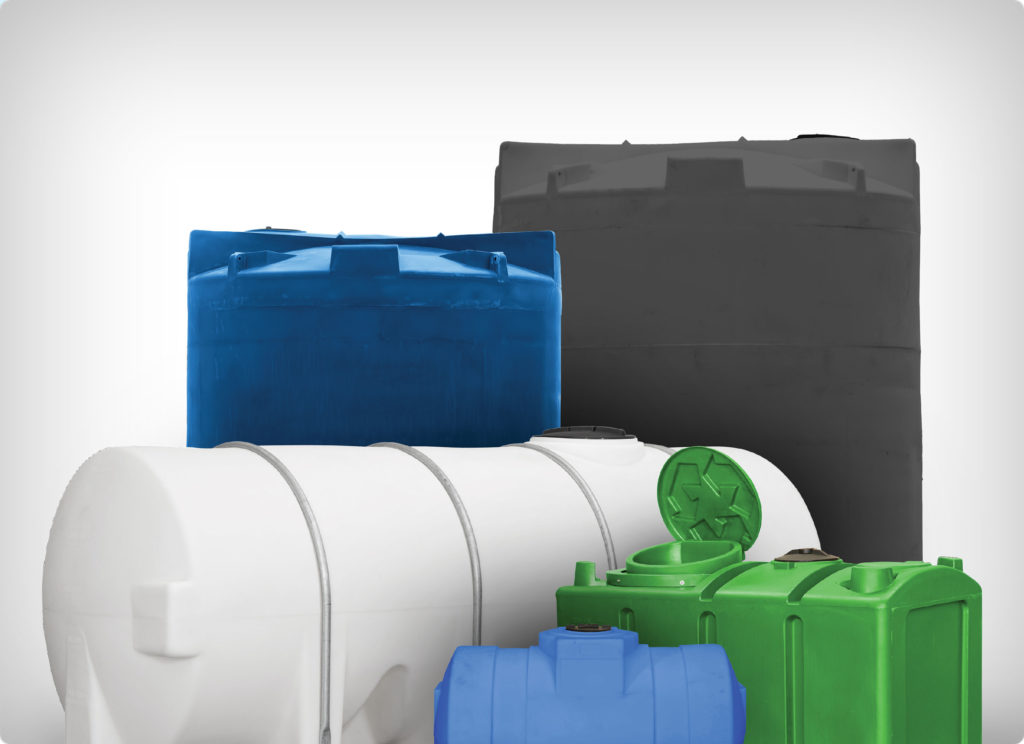
Rotomolding is widely used across numerous industries, including automotive, consumer items, and industrial equipment. Some common products contain storage tanks, kayaks, crap bins, and playground equipment. Its power to deal with large, hollow items with elaborate styles has caused it to be especially popular for outside and recreational items.
Conclusion
Rotomolding offers a special mixture of mobility, toughness, and cost-efficiency. Their power to produce complex, easy plastic elements helps it be a vital manufacturing method for a wide array of industries. As engineering continues to evolve, rotomolding will probably see much more progressive purposes, further cementing their position on earth of contemporary manufacturing.